
As part of LABOUR-INT III, the All-Poland Alliance of Trade Unions (OPZZ) is leading a pilot project to support the integration of Ukrainian migrants and refugees into the Polish labour market through language training, improved access to information, and practical guidance on living and working in the country.
From November 2024 to January 2025, OPZZ has organised three free intensive Polish language courses for a total of 60 Ukrainian migrants and refugees. The courses combined in-person and online learning, and focused both on everyday communication and workplace language.
Each course consisted of 100 lessons of 45 minutes and covered both general Polish and labour market–specific vocabulary. Through interactive methods such as group work, role-play and real-life job scenarios, participants gain confidence in using Polish and feeling better prepared to enter the labour market. From the three courses provided, feedback from participants confirmed increased confidence in everyday communication, readiness to apply for jobs, and a strong demand for continuation at higher levels (A2–B2) and in specialised sectors such as healthcare, education, and administration.
Throught the project cycle, OPZZ has significantly upgraded the OPZZ’s multilingual helpdesk tools to improve accessibility for migrant workers, particularly Ukrainian nationals. New features include:
- Enhancement and activation of the Ukrainian-language version of the helpdesk chatbot, offering faster and more relevant responses.
- Development and launch of full English and Ukrainian versions of the helpdesk websites (opzz.org.pl and pracujgodnie.pl), with comprehensive static content and regular blog updates.
- Creation and deployment of an English-language chatbot to reach a broader audience.
- Implementation of automatic language detection for both websites and chatbot, matching the interface language to the user’s browser settings.
- Technical fixes to improve site navigation, including the resolution of menu display issues.
These upgrades have significantly increased the helpdesk’s capacity to deliver rights-based information and guidance to migrant workers in their own language, thereby enhancing their ability to navigate the Polish labour market and defend their rights.
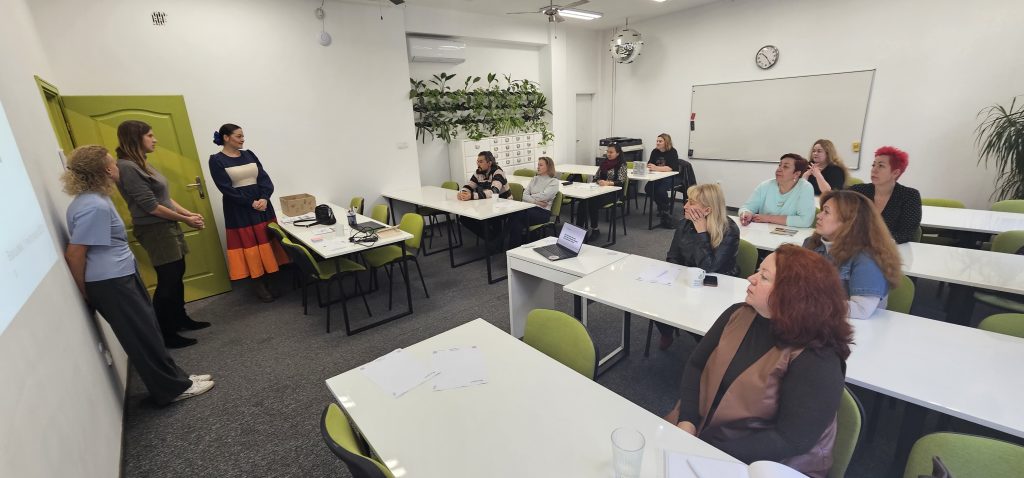
In autumn 2025, OPZZ delivered a series of six webinars in partnership with the MOBI Foundation, dedicated to legalizing residence in the country and addressing workplace exploitation and abuse.
The sessions provided practical guidance on residence procedures in Poland, including recent legal changes affecting Ukrainian nationals and third-country workers, and were attended by a total number of 86 participants (60 women and 26 men).
Each webinar focused on practical aspects of the regularization of residence status in Poland. Particular attention was given to the recent amendment to the Act of 12 March 2022 on assistance to Ukrainian citizens in connection with the armed conflict in their home country. The sessions also covered key legal frameworks, such as the Act on Foreigners and the new 2025 Act regulating the conditions for employment of third-country nationals. In addition to explaining legal procedures, the webinars included guidance on navigating Polish public institutions, access to residence permits, and understanding social rights.
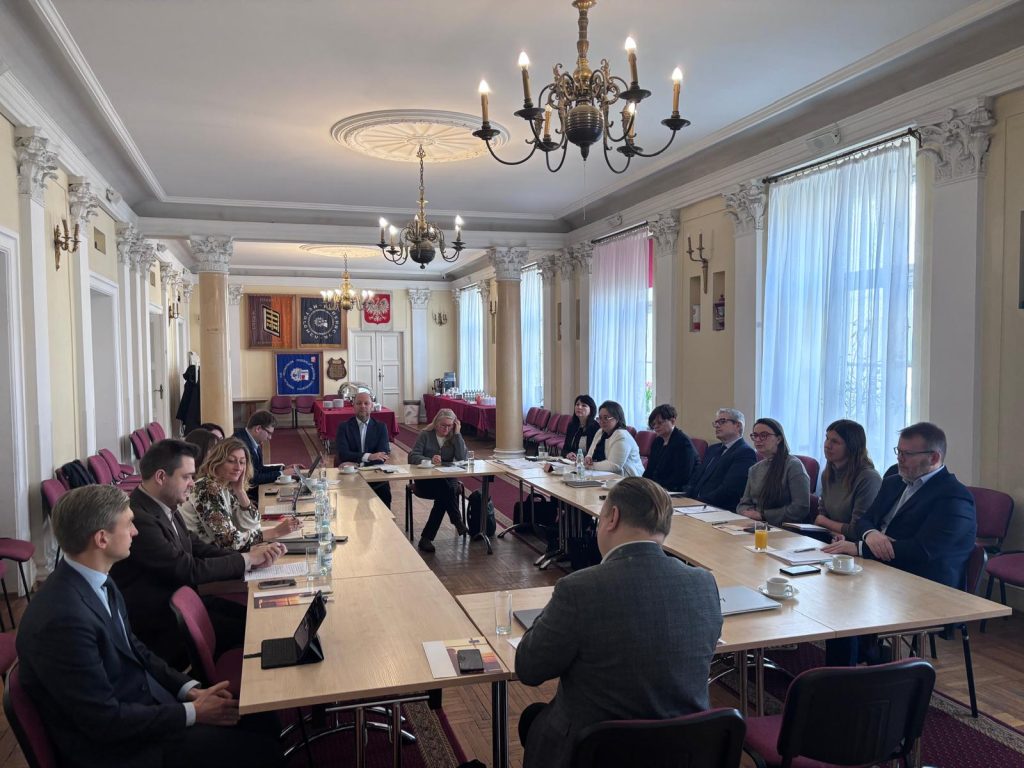
Complementing these activities, OPZZ organised several other activities. Among these, the organization of a round table meeting in February 2026 in which experts identified and discussed a number of challenges to refugees and migrants’ labour market integration. These range from systemic issues -the direction of the migration policy in Poland and how it should be linked with the labour dynamics in Poland or the scope of integration policy (should it be universal or targeted and if the latter, who should be integrated), to more operational issues such as speed of processing permit and visa applications.
Moreover, OPZZ organized two in-person workshops focused on accessing employment in Poland. Delivered in English and Ukrainian, the sessions provided hands-on guidance on job search strategies, interview preparation, working conditions, and legal requirements. Participants also received practical advice on salaries, public employment services, and how to avoid exploitation, helping them take concrete steps towards employment.
In September 2026, OPZZ additionally hosted the “Migrant Forum: Diversity and Integration of Migrant Workers in the Labour Market” to exchange perspectives on the challenges faced by migrant workers residing in Poland and possible actions that trade unions can take to support their inclusion.
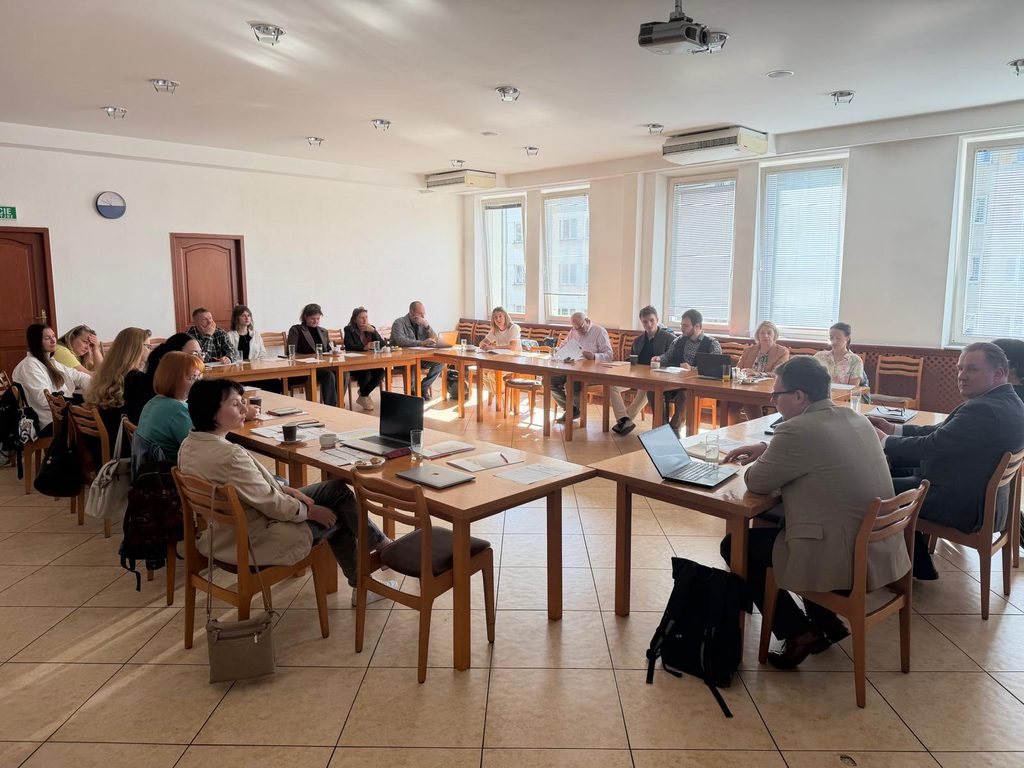
The event brough together migrant participants, trade unions, public institutions and experts to discuss workplace inclusion, diversity and workers’ rights. The presentations and discussion connected migrant workers’ needs and experiences with institutional perspectives on integration, labour protection and communication about diversity.